


Lighting is an essential aspect of office design. It not only affects the aesthetic appeal of the space but also plays a crucial role in creating a comfortable and healthy work environment. In this blog post, we’ll discuss the importance of lighting in office design and provide some tips on how to create the ideal lighting environment for your employees.
Natural Light and Its Benefits
Natural light is a crucial component of a healthy work environment. It provides a range of benefits, including improving mood, reducing stress, and increasing productivity. Additionally, natural light can help regulate the body’s circadian rhythms, which can improve sleep patterns and overall well-being.
When designing an office space, it’s important to maximize the amount of natural light that enters the space. This can be achieved by placing workstations near windows or installing skylights. Additionally, consider using light-colored or reflective surfaces to help distribute natural light throughout the space.

Artificial Lighting and Its Importance
While natural light is important, it’s not always possible to rely solely on natural light to provide adequate lighting in the office. Artificial lighting is necessary to create a comfortable and productive work environment, particularly during early mornings, evenings, or on cloudy days.
When choosing artificial lighting for your office space, it’s important to consider the type of work that is being performed. Different types of work require different lighting conditions. For example, a reception area may require brighter lighting to create a welcoming environment, while a conference room may require softer lighting to create a relaxed and comfortable atmosphere.
Adjustable Lighting
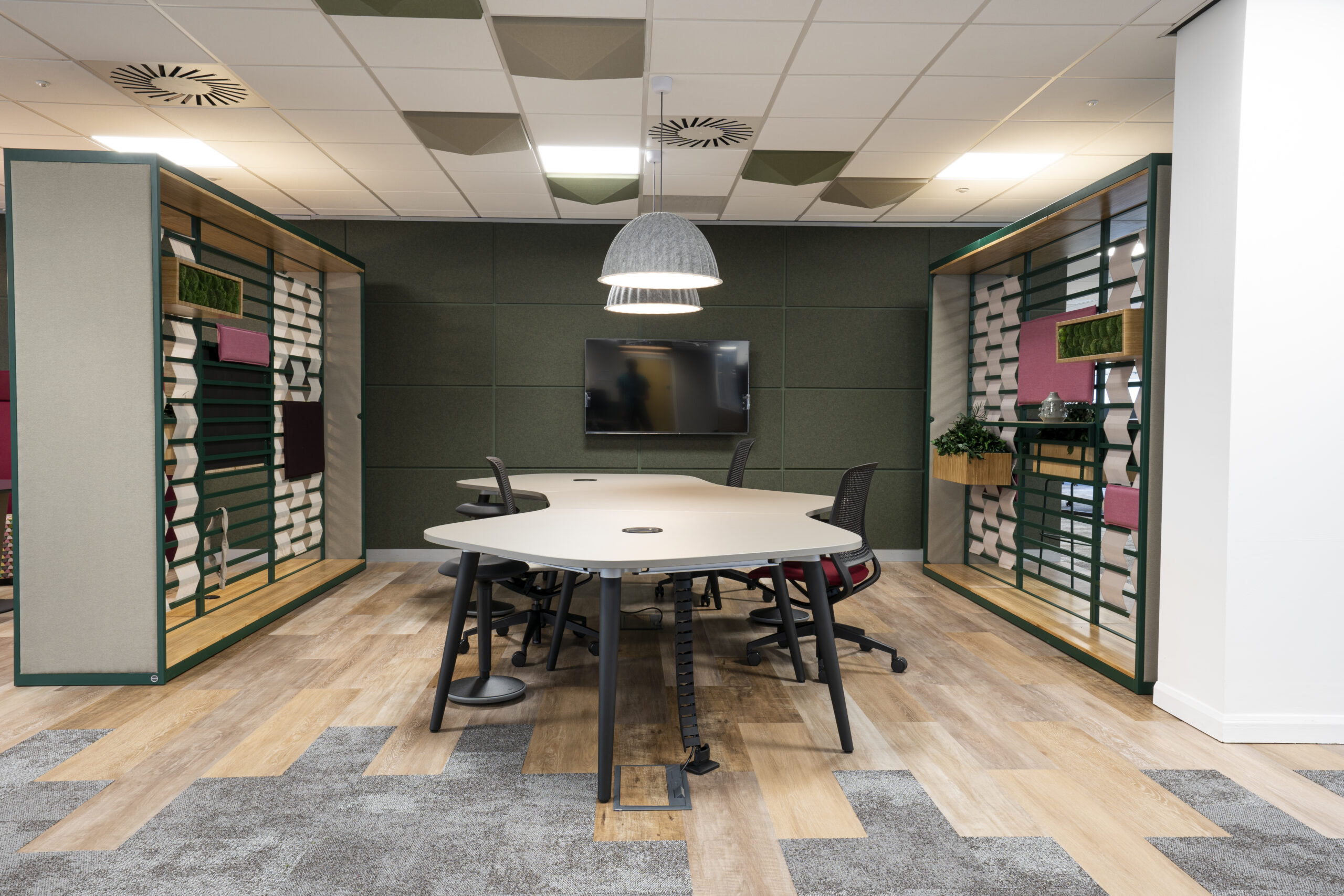
Adjustable lighting is an important consideration when designing an office space. It allows employees to control the lighting levels to create the ideal work environment for their specific needs. This could include dimming the lights during presentations or meetings, or adjusting the lighting to reduce glare on computer screens.
Additionally, consider incorporating lighting controls that can be adjusted automatically. This could include occupancy sensors, which turn lights on and off automatically based on whether the room is occupied or not, or daylight sensors, which adjust the lighting levels based on the amount of natural light in the space.

Aesthetic Lighting in Offices
In addition to the functional aspects of lighting, aesthetics should also be considered when designing an office space. Aesthetic lighting can enhance the look and feel of an office, creating a welcoming and inviting atmosphere.
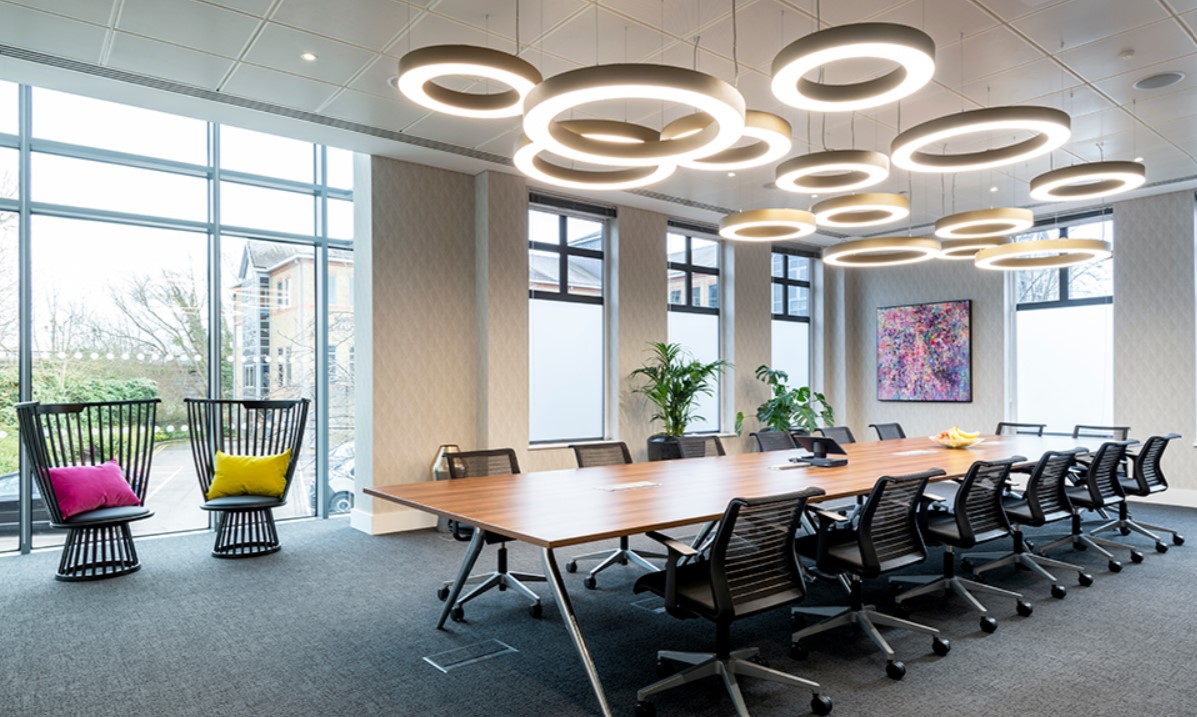
Consider incorporating decorative lighting fixtures or accent lighting to highlight architectural features or artwork in the space. Additionally, you can use lighting to create a focal point in a room or to add warmth and character to a space.
When designing with aesthetic lighting in mind, it’s important to strike a balance between function and aesthetics. While decorative lighting can be visually appealing, it should not compromise the functionality of the space or interfere with employees’ ability to perform their work.
Incorporating aesthetic lighting into an office design can help create a space that is not only functional but also visually appealing and inviting. By using lighting to highlight key features and create a welcoming atmosphere, you can enhance the overall feel of your office space and improve employee satisfaction.
In conclusion, lighting is a critical aspect of office design. Natural light provides numerous benefits, including improving mood and productivity, while artificial lighting is necessary to create a comfortable and productive work environment. By maximizing natural light and incorporating adjustable artificial lighting, you can create an office space that promotes productivity, comfort, and overall well-being.